Introduction
When it comes to the integrity of your structure, procrastination can lead to disastrous results. Every homeowner, property manager, or commercial building owner should prioritize regular inspections and maintenance. Uncovering underlying issues in your structure - don’t wait until it’s too late! is not just a catchy phrase; it's a crucial mantra for ensuring safety and longevity.
The truth is, many structural issues lurk beneath the surface, waiting for the right moment to emerge and wreak havoc. This article aims to guide you through identifying these hidden problems, understanding their implications, and taking proactive measures with the help of a masonry contractor. Are you ready to dive deep into the world of structural integrity? Let's explore together!
Understanding Structural Integrity
What Is Structural Integrity?
Structural integrity refers to the ability of a structure to withstand its intended load without experiencing failure due to material fatigue or unexpected load conditions. It encompasses design principles that ensure safety and durability.
Why Is It Important?
The importance of structural integrity cannot be overstated. A compromise in this area can lead to catastrophic failures, posing risks not only to property but also to human life.
Common Indicators of Structural Issues
Recognizing signs early can prevent more severe problems down the line. Some common indicators include:
- Cracks in walls Uneven floors Doors that stick Windows that won’t open or close properly Visible water damage
Key Players in Structural Maintenance: The Masonry Contractor
Who Is a Masonry Contractor?
A masonry contractor specializes in building structures from individual units like bricks, stones, and concrete blocks. Their expertise is crucial for maintaining the structural elements of buildings.
Why Hire a Professional?
Attempting DIY repairs might seem cost-effective but could ultimately lead to more significant issues if not executed correctly. Hiring a qualified masonry contractor ensures that work meets industry standards.
How to Choose the Right Masonry Contractor?
When selecting a masonry contractor, consider these factors:
Experience and Reputation: Check reviews and testimonials. Licensing and Insurance: Ensure they are properly certified. Portfolio of Past Work: Look for similar projects they've completed. Warranty on Work: A good contractor stands behind their work.
Signs That You Need a Masonry Contractor
Cracks in Walls: What Do They Mean?
Cracks can vary from cosmetic blemishes to indicators of serious problems. Horizontal cracks often signify shifting foundations or wall movement.
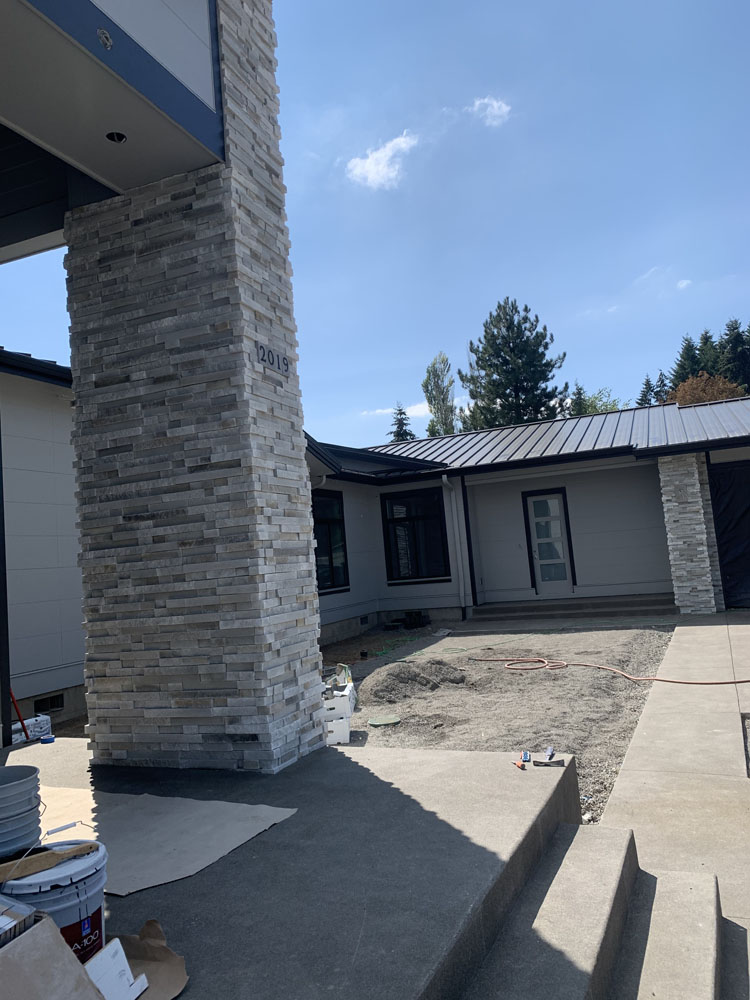
Water Damage: The Silent Killer
Water intrusion can cause extensive damage over time. Signs may include peeling paint or mold growth.
Uneven Floors: A Call for Attention
If you notice sloping or uneven floors, it could indicate foundation settlement that requires immediate attention from a professional.
Uncovering Underlying Issues in Your Structure - Don’t Wait Until It’s Too Late!
It’s easy to overlook minor imperfections when life gets busy. However, postponing inspections can result in escalating repair costs and safety hazards over time. Regular evaluations by local masonry contracting professionals can catch small issues before they balloon into larger ones.
The Importance of Routine Inspections
Frequency of Inspections: How Often Should You Check?
Typically, it's advisable to conduct an inspection at least once every year or after significant weather events such as heavy rains or storms.
What Do Inspections Involve?
A thorough inspection usually includes checking for:
- Cracks Water damage Foundation shifts Structural alignment
Cost vs Value: Why Investing in Inspections Pays Off
While Masonry Contractor routine inspections have associated costs, they are far less than dealing with major repairs later on—saving you both money and stress!
Common Types of Structural Problems
1. Foundation Issues
What Causes Foundation Problems?
Foundation problems often arise from poor drainage, inadequate soil preparation during construction, or extreme weather conditions.
Signs You Have Foundation Problems
Look out for:
- Cracked walls Uneven flooring Gaps around windows/doors
| Sign | Potential Cause | |------|----------------| | Cracked Walls | Foundation Shift | | Uneven Flooring | Soil Erosion | | Gaps Around Windows | Settling |
2. Roof Complications
Identifying Roof Leaks
Roof leaks may be hard to spot but can lead to significant water damage if ignored.
Importance of Regular Roof Inspections
Regular checks help identify potential leaks before they become costly catastrophes.
3. Plumbing Concerns
How Plumbing Issues Relate to Structure
Leaky pipes can weaken walls and foundations by introducing moisture into materials designed to remain dry.
Symptoms That Indicate Plumbing Problems
Be aware of:
- Water stains on ceilings/walls Mold growth Unexplained spikes in water bills
Emergency Situations Requiring Immediate Action
Not all structural issues wait patiently; some demand immediate action!
1. Severe Cracking
If you notice sudden large cracks appearing overnight, it's critical to consult a masonry contractor immediately as this could indicate severe structural failure.
2. Water Intrusion During Heavy Rainfall
If your home experiences flooding during rainstorms that never happened before, call an expert right away!
FAQs About Structural Integrity
1. What are common signs that my home has structural issues?
Common signs include cracked walls, uneven floors, sticking doors/windows, and visible water damage.
2. How do I know when it's time for an inspection?
It's best practice to schedule annual inspections; however, after extreme weather events or noticeable changes within your home also warrant immediate checks.
3. Can I perform my own inspections?
While you can look for obvious signs yourself (like cracks), hiring a professional ensures thoroughness and adherence to safety standards.
4. How much does it cost for an inspection?
Costs vary based on location and size but typically range from $200-$500 depending on complexity and scope.
5. What should I look for when hiring a masonry contractor?
Look at their experience level, customer reviews/testimonials, licensing credentials, previous work portfolio & warranty offered on services rendered!
6. What happens if I ignore structural issues?
Ignoring these issues may lead not only into costly repairs down the line but also jeopardizes safety!
Conclusion
In conclusion, uncovering underlying issues in your structure - don’t wait until it’s too late! By being proactive about inspections and addressing concerns promptly with the aid of experienced professionals such as masonry contractors ensures long-term stability and safety within your space! Remember—prevention is always better than cure when it comes down maintaining peace-of-mind regarding your property's integrity! So take charge today; don’t leave any stone unturned!